Trenchless Sewer Repair
Fix a failing sewer line without tearing up your yard, driveway, or landscaping — through small access points.
Learn more
Drain & Sewer
A failing sewer line is a whole-house problem. We diagnose it with a camera and fix it — from spot repairs to full replacement.

If any of these sound familiar, it's time to call a pro. Catching it early almost always costs less than waiting.
We put a camera down the line to find the exact spot and cause — roots, a collapse, a belly, or a broken joint — and mark its depth and location.
You get honest choices: a spot repair, a trenchless fix, or a full replacement — with the trade-offs and cost drivers spelled out, no scare tactics.
We repair or replace the failed section using the right method for your yard and pipe, and pull permits where the job calls for them.
A final camera pass confirms proper flow and grade, and we backfill and clean up so your yard isn't left a mess.
Before you agree to any dig, ask for a camera inspection. Seeing the exact spot and depth of the break means the repair happens in the right place the first time — no exploratory trenches across your yard.
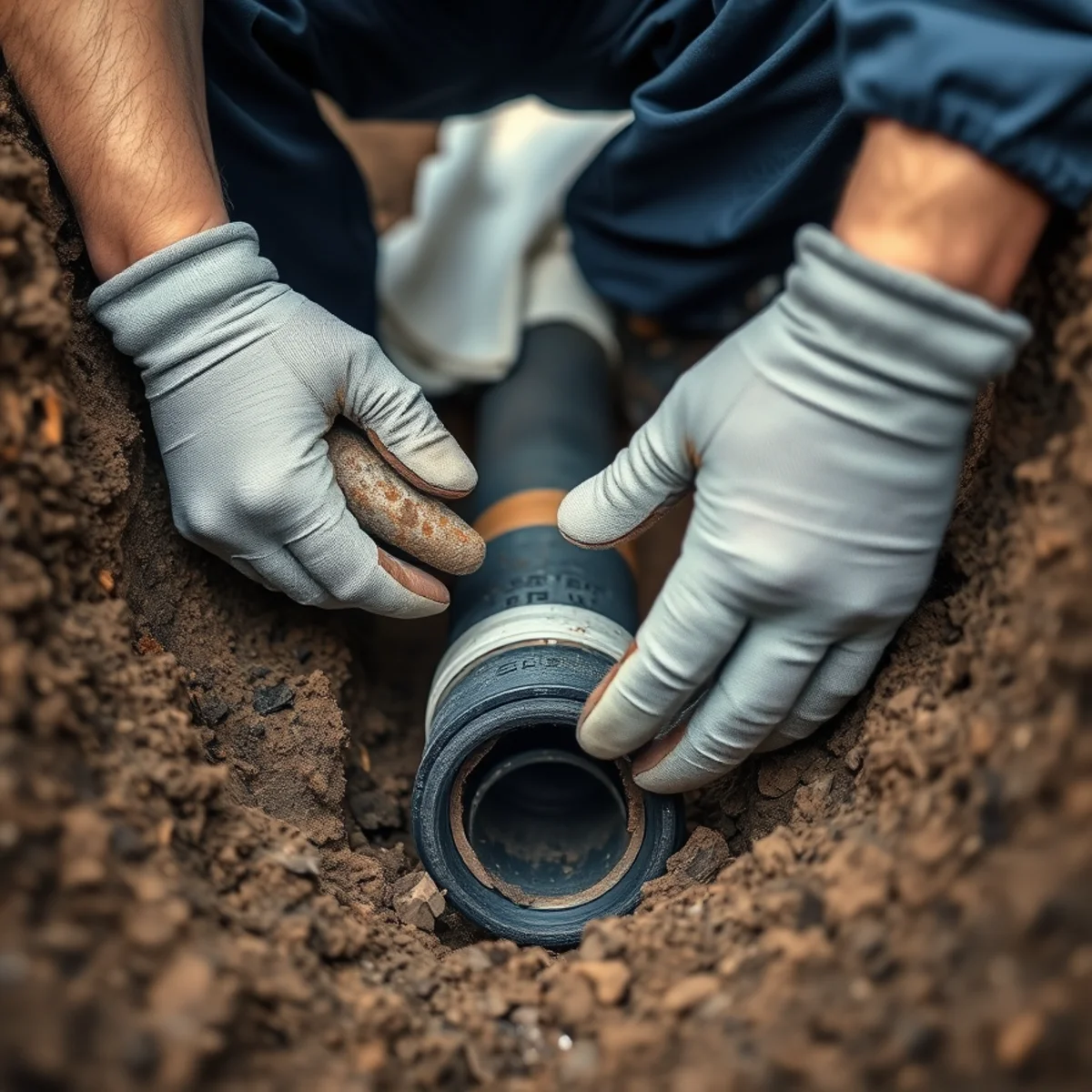
Most plumbing trouble stays in one room. A sewer problem doesn't. The main line is the single pipe every drain in the house feeds into, so when it fails, everything upstream feels it at once — the toilet gurgles when the washer drains, the basement floor drain backs up when someone showers, and drains all over the house slow down together.
That "everything at once" pattern is the tell. It usually means the trouble is out in the lateral, the buried line running from your house to the city main or septic tank, not under any one fixture.
The Mohawk Valley has a lot of housing stock that predates modern PVC, and the sewer laterals underneath tell that story.
Older homes in Herkimer, Utica, and Little Falls were often plumbed with vitrified clay — durable material, but it comes in short sections with a joint at every coupling, and those joints are exactly where tree roots find their way in. Mid-century homes sometimes got Orangeburg, a tar-and-paper pipe that was cheap to install and is now well past its expected life; it softens, blisters, and collapses into an oval as it ages.
Add a century of freeze-thaw cycles working the ground, and it's no surprise these lines shift, crack, and sag. Roots are the most common culprit we pull out — if you've never seen what they do inside a pipe, our piece on tree roots in a sewer line is eye-opening.
Nobody should sell you a sewer repair sight unseen. The ground gives no clues from the surface, so we start every sewer call with a sewer camera inspection to see the actual condition and locate the failure to the foot. Guessing where to dig is how yards get torn up for nothing.
Once we can see it, we give it to you straight. A single cracked section or one root intrusion at a joint is often a targeted spot repair — no reason to replace a whole line that's otherwise sound. But a lateral that's collapsed in several places, bellied, or crumbling end to end is throwing good money after bad if you keep patching it. We'll tell you which situation you're in and why.
When a full replacement is the right answer, it doesn't always mean a trench across your lawn. Many of these lines qualify for trenchless sewer repair, which rebuilds the pipe with far less digging. We'll walk you through whether your line is a candidate.
Sewer work is disruptive by nature, so we treat your property with care, keep the pricing upfront, and stand behind the fix. Locally owned, fully insured, and trained to do it right the first time.
If you're seeing signs your main line is failing, call (207) 419-2600 and we'll find out exactly what's going on before anyone picks up a shovel.
Every job is different, so we don't play games with fake flat prices online. Here's what actually shapes the cost — and we'll give you an honest, upfront number before any work starts.
Fix a failing sewer line without tearing up your yard, driveway, or landscaping — through small access points.
Learn moreSee inside your pipes before you dig or buy. We locate the exact problem and its depth — no guessing.
Learn moreHigh-pressure water blasts grease, sludge, and roots off the pipe walls — a deep clean a snake can't match.
Learn more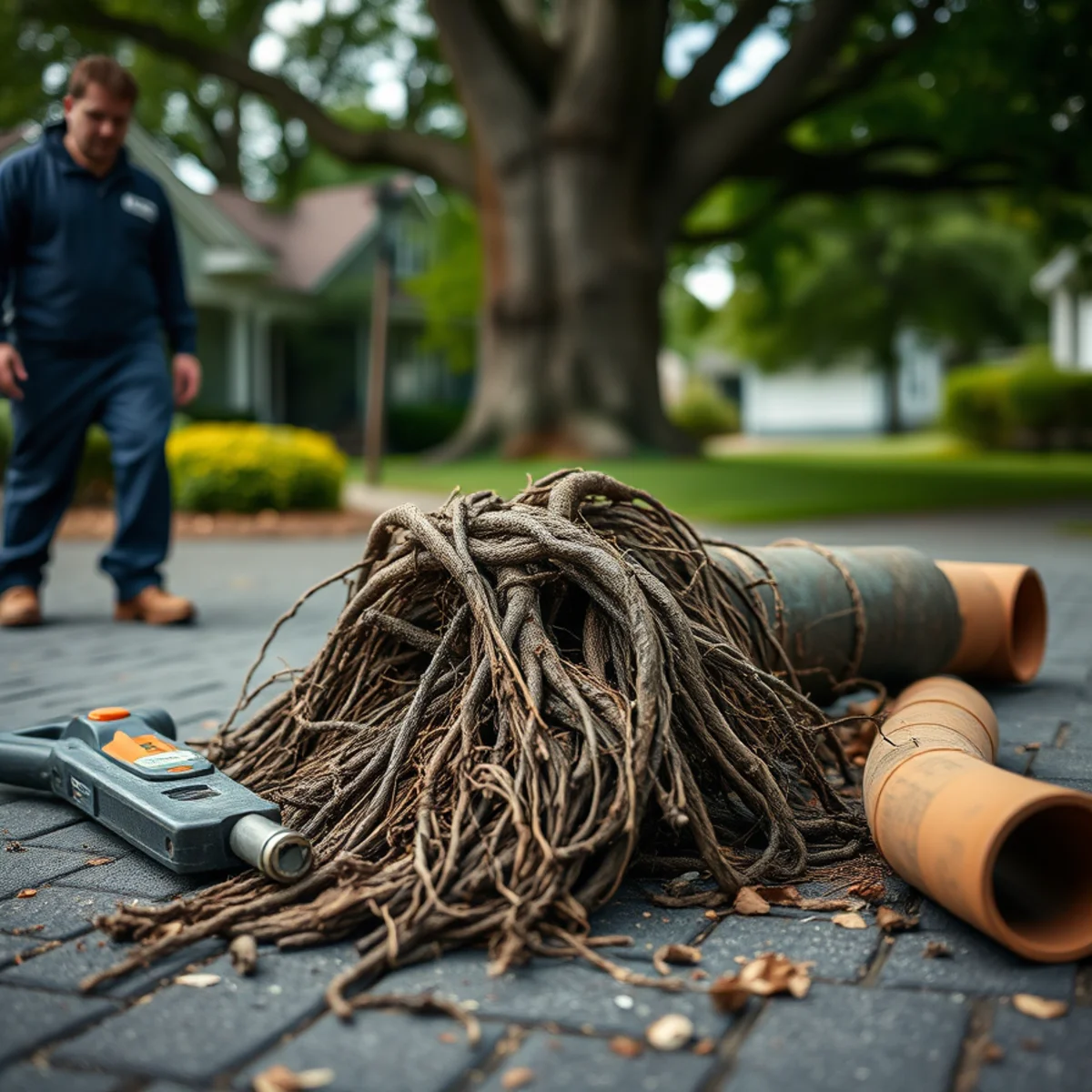 Drain & Sewer
Mature trees and older pipe are a bad mix. Here is how to spot tree roots in your sewer line and what actually keeps them out.
 Costs & Guides
A home inspection stops at what it can see. A sewer scope shows the buried pipe that hides the costliest surprises. Here is why buyers should get one.
Tell us what's going on and we'll get right back to you with next steps and an honest estimate.
Call (207) 419-2600
One call gets a licensed Roto Drains technician headed your way — 24 hours a day, 7 days a week.