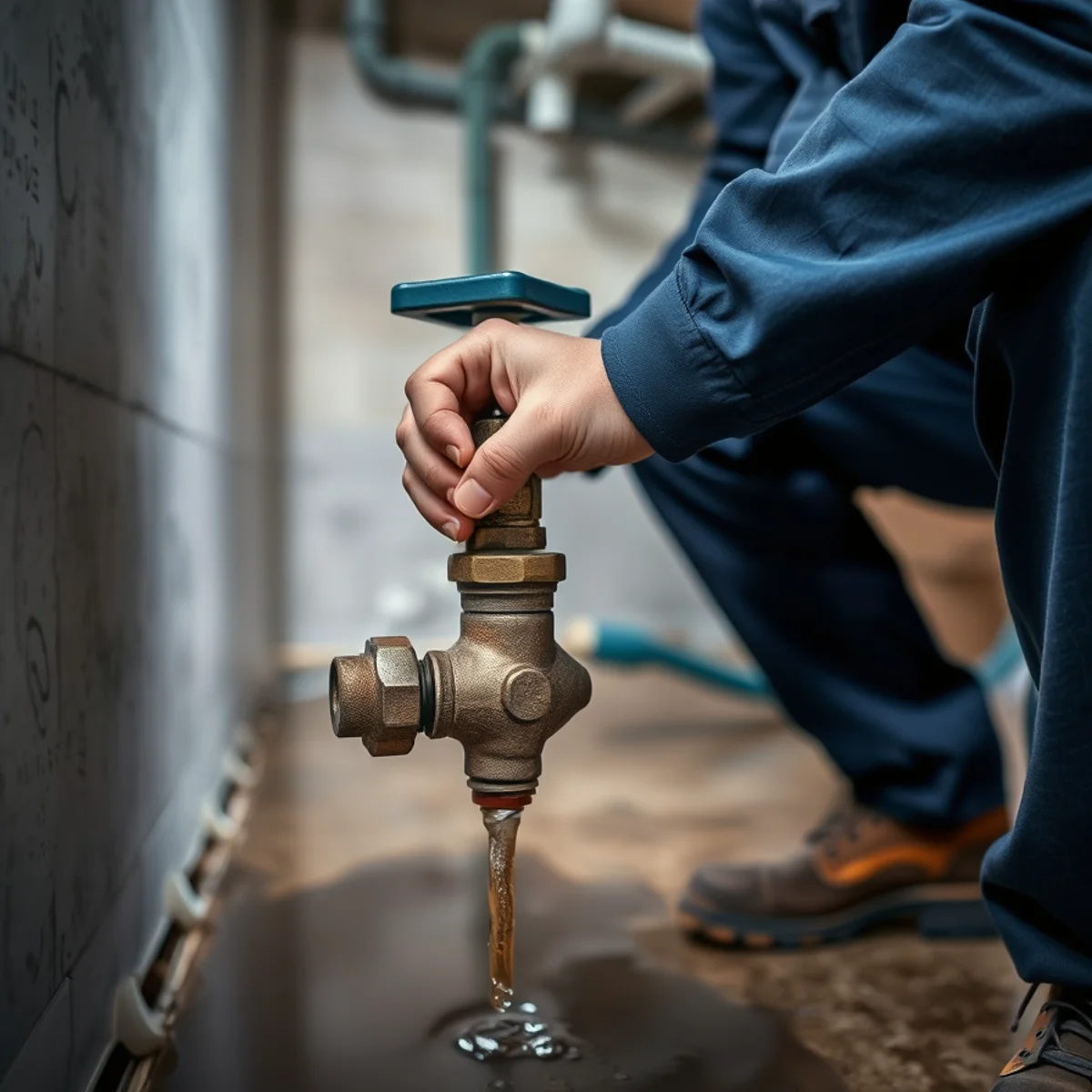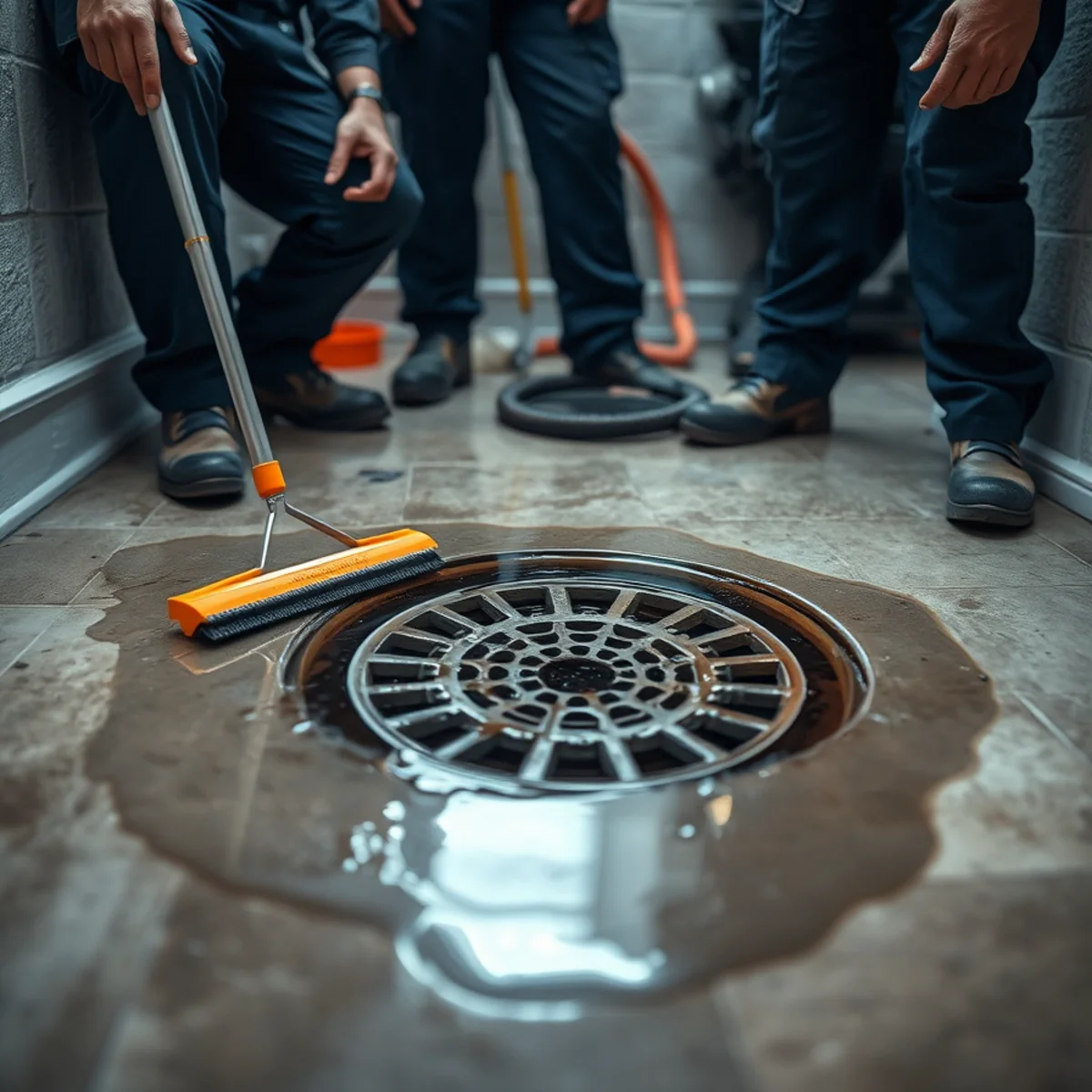
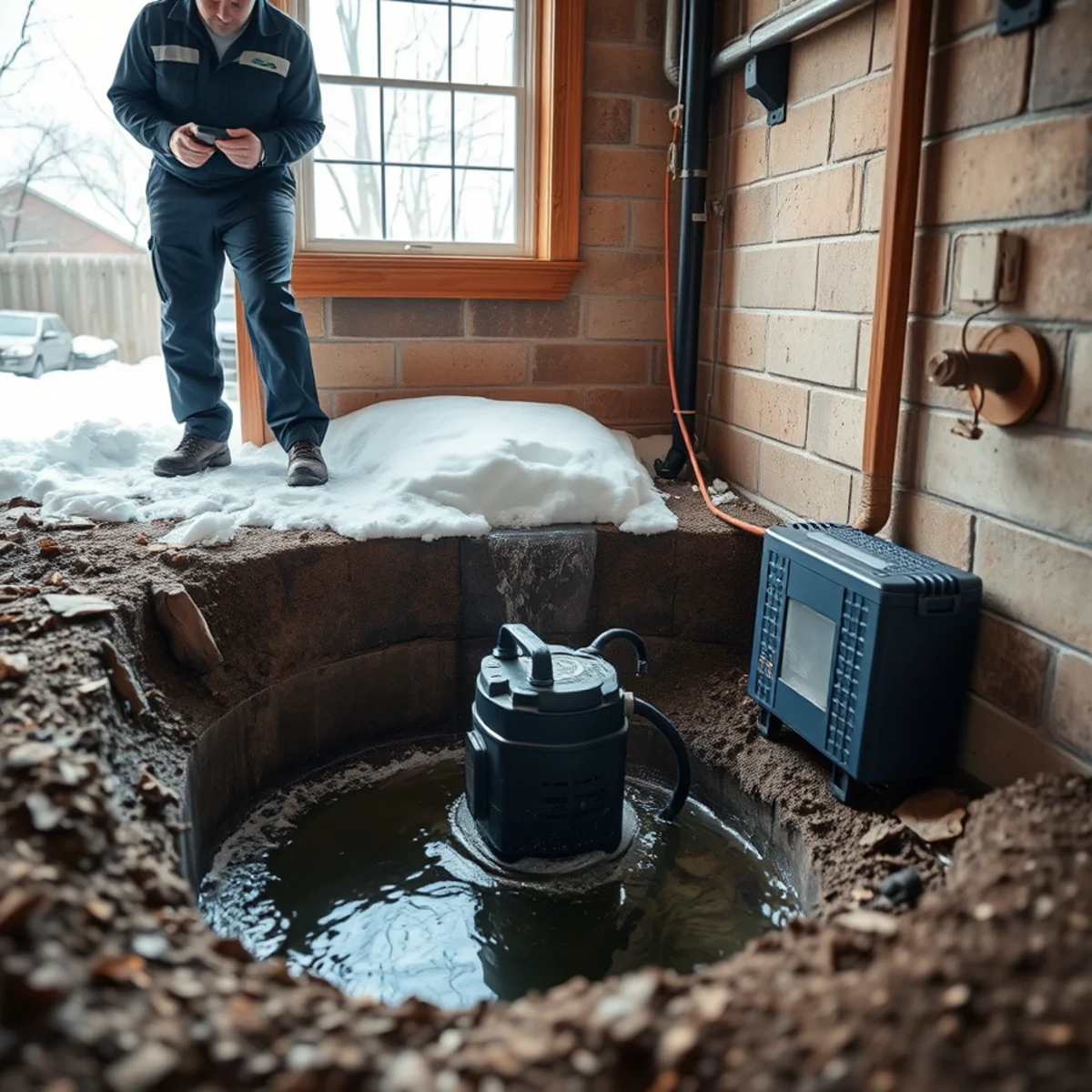
All that snow piled up over a Mohawk Valley winter does not just disappear in spring. It melts, sinks into the ground, and goes looking for the lowest dry space it can find.
Too often, that space is your basement.
Spring is the flood season up here, and the homes that stay dry are the ones that got ready before the thaw, not during it. Here is how to be one of them.
Why spring is the danger season
A few things stack up at the same time, and together they overwhelm basements that were fine all winter.
The snowpack melts. A whole season of accumulation turns to water over a few warm days.
Spring rain lands on top of it. The classic thaw-season storm dumps rain onto already-melting snow.
The ground cannot absorb it. Soil that is still frozen a few inches down, or already saturated, sheds water instead of soaking it up. That water has to go somewhere, and it flows toward foundations.
The water table rises fast. All that runoff pushes groundwater up against your basement walls and floor, looking for any crack, joint, or drain to come through.
And the power goes out. The same wet, windy thaw storms that drive the water up are the ones that knock out the power — right when your sump pump needs to run the hardest.
That last point is the one that catches people. A working sump pump is useless without electricity, and spring outages and spring flooding tend to arrive together.
Your sump pump is the frontline defense
If your basement stays dry through the thaw, thank your sump pump. It collects groundwater in a pit and pumps it out before it reaches your floor. Getting it right is the whole game.
The right size and a working pump
A pump has to move water faster than the thaw delivers it. An undersized or worn-out pump falls behind during peak melt and lets the pit overflow.
Pumps also wear out. The average unit has a limited lifespan, and one that has been running for years may not have the muscle left for a hard spring. If yours is aging, is noisy, or cycles constantly, have it checked before you need it. Our sump pump services cover sizing the pump to your actual basement and water load, not a guess.
A battery backup — because the power will go out
This is the single most important upgrade for our climate. A battery backup pump kicks in automatically when the power fails, so the outage during the storm does not become a flood.
If you take one thing from this article, make it this: a sump pump without a backup is a plan that fails in the exact conditions it was bought for.
A water-powered backup option
Some homes can also use a water-powered backup pump, which runs on your home's water pressure instead of electricity and has no battery to age out. It is not right for every home, but where it fits, it keeps pumping through an outage of any length. We can tell you whether your setup supports one.
The discharge line
Where the water goes matters as much as the pump. The discharge line has to carry water far enough from the foundation that it does not just circle back into the pit.
In our winters, discharge lines freeze. A line that ices shut sends the water right back to your basement. The outlet needs to be clear, angled away from the house, and set up to resist freezing.
Test it before the thaw, not during
Do not wait for the first flood to find out your pump is dead.
Testing takes five minutes. Pour a bucket of water into the sump pit and watch. The pump should switch on, move the water out, and shut off cleanly. If it does not start, runs weakly, or fails to shut off, it needs service now — while you have time, not while the water is rising.
Late winter is the right time to test, before the melt begins. Check the backup battery too. Batteries lose capacity with age and cold.
Protection beyond the pump
The sump pump is the core, but a few other things keep water away from the house in the first place.
Keep gutters clear and downspouts extended well away from the foundation, so roof runoff and snowmelt do not pool against the walls.
Clear snow back from the foundation on warm days so the melt drains away instead of soaking straight down beside the house.
Watch the grading. Soil should slope away from the foundation. Settled ground that tilts toward the house funnels water exactly where you do not want it.
If your basement also backs up through the floor drain during storms, a backwater valve is worth discussing — different problem, but the same season.
What to do if it floods anyway
Sometimes the water wins. If your basement floods:
Stay out of standing water until you are sure it is not touching outlets, the furnace, or electrical panels. Water and electricity together are deadly.
If it is safe, cut the power to the basement at the breaker.
Get the water out and everything you can lift up off the floor.
Then call for help fast. Standing water soaks into drywall, framing, and flooring by the hour, and mold follows within a day or two.
This is where we are different. We are plumbers who also do water cleanup and restoration, so we fix the failed pump or pipe that let the water in and dry the basement out — one crew, one call, instead of juggling two companies. For a basement filling in the middle of the night, our emergency plumbers answer 24/7, and a real person picks up.
Get ready before the melt
The thaw comes every year in the Mohawk Valley, and it does not send a warning. The best time to check your sump pump and backup is before the snow starts moving.
We serve Herkimer, Frankfort, and the surrounding towns, and we would much rather help you prepare than pump out your basement. To get your system tested, sized, or backed up before the thaw, call Roto Drains at (207) 419-2600 — day or night, a real person answers.
Frequently Asked Questions
Do I really need a battery backup sump pump?
How do I test my sump pump before spring?
My basement just flooded — what do I do first?
Written by the Roto Drains team — licensed & insured plumbers serving Herkimer & the Mohawk Valley, 24/7.
Roto Drains is a full-service plumbing, drain cleaning, water cleanup and restoration company. We specialize in emergency same-day service and can handle any job from a clogged toilet to a full sewer, water main, well, septic, cesspool replacement and everything in between. Open 24/7!